Ductwork & Air Quality
Commercial Ductwork and Ventilation in Dallas
Air handling equipment can be running perfectly and a building can still feel stuffy or uneven if the duct system moving that air is leaking, undersized, or out of balance. We fabricate and repair sheet metal ductwork, rebalance airflow to match how spaces are actually occupied, and address the ventilation rates that indoor air quality complaints usually trace back to.
- Same-day and next-day service calls
- Chiller plants up to 500 tons
- All major brands
What's covered
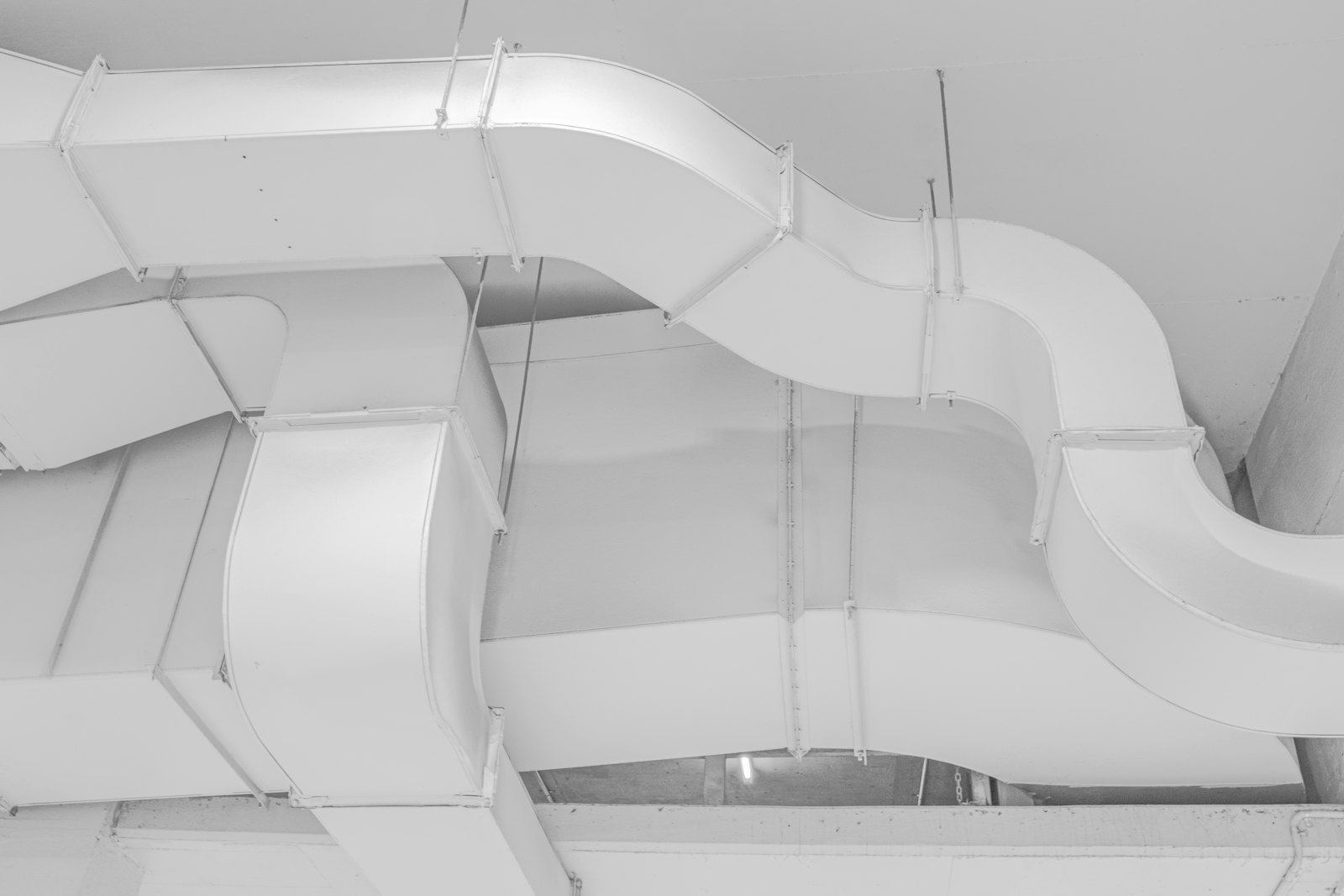
Sheet metal fabrication and repair
Building and repairing ductwork sections, transitions, and takeoffs to correct routing that restricts airflow or leaks conditioned air.
Air balancing
Adjusting dampers and diffusers throughout a building so airflow matches design intent room by room.
Indoor air quality assessment
Reviewing outdoor air intake, filtration, and duct cleanliness when occupants report stale air or persistent odors.
Code ventilation rate verification
Checking outdoor air delivery against current ventilation code requirements for the space's occupancy type.
Duct sealing
Sealing joints and seams that leak conditioned air into ceiling plenums or unconditioned spaces before it reaches the room it was meant for.
Common symptoms
Facilities usually call about one or more of the following before a tech is ever dispatched.
- Some rooms run noticeably hotter or colder than others on the same system
- Visible gaps or disconnected sections in exposed ductwork
- Occupants reporting stale or stuffy air despite the HVAC system running
- Whistling or hissing sound near duct joints or dampers
- Noticeable temperature difference between a room near the air handler and one at the end of the duct run
- Recent renovation left airflow unbalanced between old and new spaces
How the visit works
- 1 Airflow assessment
We measure airflow at diffusers and return grilles throughout the affected area to map where the system is over or under-delivering.
- 2 Duct inspection
Accessible duct runs are inspected for leaks, disconnections, and damage that would explain the airflow readings.
- 3 Repair and sealing
Leaking joints are sealed and damaged sections repaired or replaced before any rebalancing begins.
- 4 Balancing and verification
Dampers are adjusted and airflow re-measured until each space reaches its target delivery rate.
Equipment we service
Our techs carry diagnostic tools for equipment across manufacturers rather than specializing in one brand. Equipment we service includes:
Related services
Makeup air & exhaust fans
A commercial kitchen exhaust hood pulling more air out of the building than the makeup air unit can replace turns into doors that will not close, backdrafting appliances, and a dining room that never cools down.
Rooftop EquipmentRooftop units
Package rooftop units carry most of the conditioning load for retail strips, office parks, and warehouses across DFW, and they take weather that indoor equipment never sees.
Controls & AutomationBuilding automation
A rooftop unit that is mechanically sound can still leave a building uncomfortable if the automation layer above it is telling it to do the wrong thing at the wrong time.
Available across Dallas and Fort Worth
This service runs on the same routes as the rest of our work, across the following areas.
Common questions
Why does one room run hotter than the rest of the floor?
This is often a duct or damper issue rather than an equipment problem. Restricted or leaking ductwork on that branch can starve the room of the air a properly running system is delivering.
What is air balancing and does my building need it?
Air balancing adjusts dampers throughout the duct system so each space receives its designed airflow. It is worth revisiting after any renovation or space reconfiguration.
Can leaking ductwork actually raise energy costs?
Yes, conditioned air lost into a ceiling plenum before it reaches the room is air the system has to produce again, which shows up directly in energy use.
Do you check ventilation rates for code compliance?
We can verify outdoor air delivery against current ventilation code requirements for the occupancy type, which matters most for medical, restaurant, and assembly spaces.
Tell us about the equipment and the symptom, and we will get a technician scheduled.